i don't usually pass these things along, but...
http://www.popularmechanics.com/technol ... 47-6611877
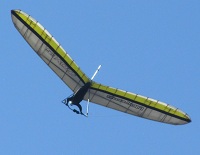
we are pilots in a type of aviation where we spend most of our time managing angle of attack (and little time hitting de-icing buttons, engaging autopilots, etc). i imagine modern jet pilots rarely think of it. but it seems in winged aviation it is still on the list of the top three being:(1) angle of attack, (2) angle of attack, (3) angle of attack, (4) everything else:)
Unbelievable and horrifying cockpit, AF447 crash
Moderator: Chip


My God! The system yells at them 75 times: "Stall". What the hell does it take? When I flew small planes, the sound of the stall warning made my hand push forward automatically. That natural reaction would be hard to overpower. These pilots were somehow trained to ignore it.
Damn, that is scary. They had plenty of time to fix what is barely even a problem. So senseless.
How many times have you struggled to solve a problem because you already wrongly passed over the actual cause and were convinced that the problem was something else. The real (and obvious ) cause becomes invisible, and often only gets reconsidered after everything else has failed. They didn't have that much time.
Damn, that is scary. They had plenty of time to fix what is barely even a problem. So senseless.
How many times have you struggled to solve a problem because you already wrongly passed over the actual cause and were convinced that the problem was something else. The real (and obvious ) cause becomes invisible, and often only gets reconsidered after everything else has failed. They didn't have that much time.
Flyyyyy
What's so scary to me is the nose on that over-designed airliner didn't drop and it did not stall a tip and drop off on one wing, giving two clues that the AoA was too high. There is also no mention of buffeting of the wings or artificially induced buffeting of the side-mounted joy sticks.
What this article so lucidly describes seems little more than a very highly wingloaded aircraft doing little more than mushing into the ocean. It's irrelevant to me where the mush began. The plane does not appear to expereince sufficient airflow separation to make the nose drop then pick up sufficient airspeed to fly normally.
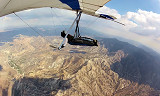
This is clearly an aircraft that can be flown and controlled in a full mush not unlike a modern topless glider w/ zero VG and arms at full extension. Many of us dot this for STOL landings. I do the same thing these bozos did except it occurs at 26 mph in a 6:1 glide angle. In their case it sounds more like 100 mph and < 2:1 glide angle. I guess their vertical speed on impact is just a tad higher than mine in case I forget to drop my nose before I start my flare.
Thanks for the post.
What this article so lucidly describes seems little more than a very highly wingloaded aircraft doing little more than mushing into the ocean. It's irrelevant to me where the mush began. The plane does not appear to expereince sufficient airflow separation to make the nose drop then pick up sufficient airspeed to fly normally.
This is clearly an aircraft that can be flown and controlled in a full mush not unlike a modern topless glider w/ zero VG and arms at full extension. Many of us dot this for STOL landings. I do the same thing these bozos did except it occurs at 26 mph in a 6:1 glide angle. In their case it sounds more like 100 mph and < 2:1 glide angle. I guess their vertical speed on impact is just a tad higher than mine in case I forget to drop my nose before I start my flare.
Thanks for the post.
It's a fly by wire, computer controlled, wings level, mush of death into the drink. All this from a simple frozen pitot.NMERider wrote: What this article so lucidly describes seems little more than a very highly wingloaded aircraft doing little more than mushing into the ocean. It's irrelevant to me where the mush began. The plane does not appear to expereince sufficient airflow separation to make the nose drop then pick up sufficient airspeed to fly normally.
Thanks for the post.
Sullenberger also believes that airspeed indications aren't the best data the crew needs to recover from an upset. That requires knowing the wing's critical angle of attack (AoA). "We have to infer angle of attack indirectly by referencing speed. That makes stall recognition and recovery that much more difficult. For more than half a century, we've had the capability to display AoA (in the cockpits of most jet transports), one of the most critical parameters, yet we choose not to do it.
OP wrote:....For more than half a century, we've had the capability to display AoA (in the cockpits of most jet transports), one of the most critical parameters, yet we choose not to do it.
 Another thing I didn't see in the article is whether the horizon was visible and if there was any simple means to infer appx AoA by simply lining up the dashboard w/ the horizon.
 Haven't there been one or two much smaller domestic crashes where the crew did essentially the same thing?
Posted: Mon Dec 19, 2011 3:43 pm Post subject:
You don't need any of that, because a blind man with poor hearing and his hands nowhere near the controls would still hear the warning that they were stalling. They chose to ignore it. That is the one and fatal error that insured their fate. The equipment did not fail them. If they trusted it, they would have had no issue. The asynchronous sticks, the fly by wire, etc. is all just fine. If you listen to the warning there is no crash, there wouldn't even be a loss of altitude.
Even the pitot tubes (which they didn't need) eventually cleared with plenty of time.
100% pilot error X 3.
You don't need any of that, because a blind man with poor hearing and his hands nowhere near the controls would still hear the warning that they were stalling. They chose to ignore it. That is the one and fatal error that insured their fate. The equipment did not fail them. If they trusted it, they would have had no issue. The asynchronous sticks, the fly by wire, etc. is all just fine. If you listen to the warning there is no crash, there wouldn't even be a loss of altitude.
Even the pitot tubes (which they didn't need) eventually cleared with plenty of time.
100% pilot error X 3.
Flyyyyy

"While Bonin's behavior is irrational, it is not inexplicable. Intense psychological stress tends to shut down the part of the brain responsible for innovative, creative thought. Instead, we tend to revert to the familiar and the well-rehearsed."
I've seen a boxing match were the guy was hit so hard that when he laid on his back, his hands were still punching. It was clear that he mentally was not there, but a lifetime of conditioning had his arms doing what they had done for so long...Punching.
I can't speak for their actions, but there is a lot to learn from this.
It sounds like lack of experience may have been a contributor.
It's horrible!
I've seen a boxing match were the guy was hit so hard that when he laid on his back, his hands were still punching. It was clear that he mentally was not there, but a lifetime of conditioning had his arms doing what they had done for so long...Punching.
I can't speak for their actions, but there is a lot to learn from this.
It sounds like lack of experience may have been a contributor.
It's horrible!
It does seem like a sinister accident, but I think we may never really know what was going on in his head.
One thing sounds obvious...they were not on the same page. For what reason, time will tell.
One thing sounds obvious...they were not on the same page. For what reason, time will tell.
Last edited by Busto on Thu Dec 22, 2011 6:30 pm, edited 1 time in total.
It's not always as simple as it seems and large aircraft behavior under the layers of automation present make sometimes basic flight procedures not as transparent as we would like.
There's a long and interesting discussion on the Airline pilots forum discussing many of the issues, for example:
"This accident may highlight one of the main disadvantages of the 'airbus set-up' - there is no physical way to monitor the control inputs of the automation. With a Boeing, you can watch the thrust levers and the yoke move - if they start to move in an unexpected manner, the automation kicking off not only isn't quite as unexpected, but you know the approximate thrust lever angle and relative yoke position you had prior to the 'situation', and can use those positions as a starting point in your recovery. With the Airbus, you have no physical reference to start from."
Anyway, it's good reading here: http://www.airlinepilotforums.com/safet ... af447.html
There is still a lot of criticism and wonderment at how three pilots can all continuously do exactly the wrong thing. However, there is also a lot of good discussion as to how the pilots become disconnected from the basic mechanics of flight.
Mike
There's a long and interesting discussion on the Airline pilots forum discussing many of the issues, for example:
"This accident may highlight one of the main disadvantages of the 'airbus set-up' - there is no physical way to monitor the control inputs of the automation. With a Boeing, you can watch the thrust levers and the yoke move - if they start to move in an unexpected manner, the automation kicking off not only isn't quite as unexpected, but you know the approximate thrust lever angle and relative yoke position you had prior to the 'situation', and can use those positions as a starting point in your recovery. With the Airbus, you have no physical reference to start from."
Anyway, it's good reading here: http://www.airlinepilotforums.com/safet ... af447.html
There is still a lot of criticism and wonderment at how three pilots can all continuously do exactly the wrong thing. However, there is also a lot of good discussion as to how the pilots become disconnected from the basic mechanics of flight.
Mike
Happy New Year!
Obviously the mind is complexed. If the pilots were given correct information, it might have made a big difference.
The chronic problem seems to be the lack of proper communication. In this case no one wanted to take responsibility for a defective product that was identified back in 2003 until it was too late.
To expect every pilot to react the same under pressure is unreasonable without the right information.
http://www.youtube.com/watch?v=9Nz8Ah32NgY
Obviously the mind is complexed. If the pilots were given correct information, it might have made a big difference.
The chronic problem seems to be the lack of proper communication. In this case no one wanted to take responsibility for a defective product that was identified back in 2003 until it was too late.
To expect every pilot to react the same under pressure is unreasonable without the right information.
http://www.youtube.com/watch?v=9Nz8Ah32NgY
